La historia de la fundación de Vila-Real
La fundación de Vila-Real, una localidad situada en la provincia de Castellón, es un relato que se teje a través de la historia de España, en particular, durante la crucial época de la reconquista. Esta narrativa no solo nos brinda una visión sobre la creación de la villa, sino también sobre su evolución y crecimiento a lo largo de los siglos.
Orígenes antiguos
Primeros habitantes
La fascinante región que hoy llamamos Vila-Real ha sido un refugio de vida desde tiempos inmemoriales. Los íberos y romanos, entre los primeros valientes que la habitaron, dejaron una huella imborrable en su rica historia. Con la llegada de los árabes en el siglo VIII, la agricultura floreció y el desarrollo urbano cobró un nuevo aliento, gestando una prosperidad asombrosa que aún resuena en el corazón de sus habitantes.
La influencia árabe
Los árabes establecieron un sistema de regadío que permitió un auge en la producción agrícola. Las tierras de Vila-Real se convirtieron en un lugar fértil, donde se cultivaban diversos productos como trigo, hortalizas y frutas. Sin embargo, la situación cambió drásticamente con el inicio de la Reconquista.
Fundación de Vila-Real
La conquista de Burriana
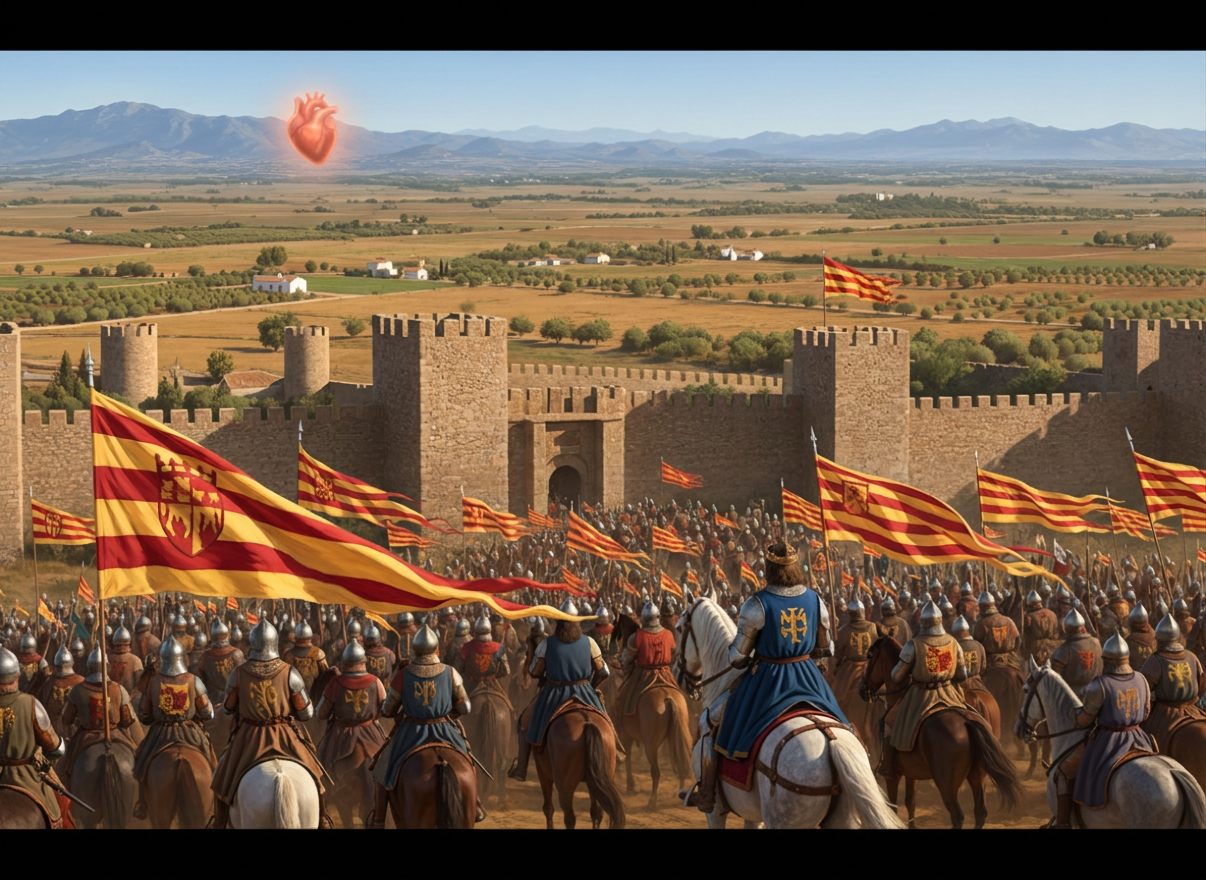
En el año 1266, el rey Jaime I de Aragón llevó a cabo la conquista de la ciudad de Burriana. Este evento marcó el inicio de un proceso que culminaría con la fundación de Vila-Real. Tras liberar el territorio de los árabes, el rey decidió establecer nuevas poblaciones para consolidar la presencia cristiana en la región.
Establecimiento de la villa
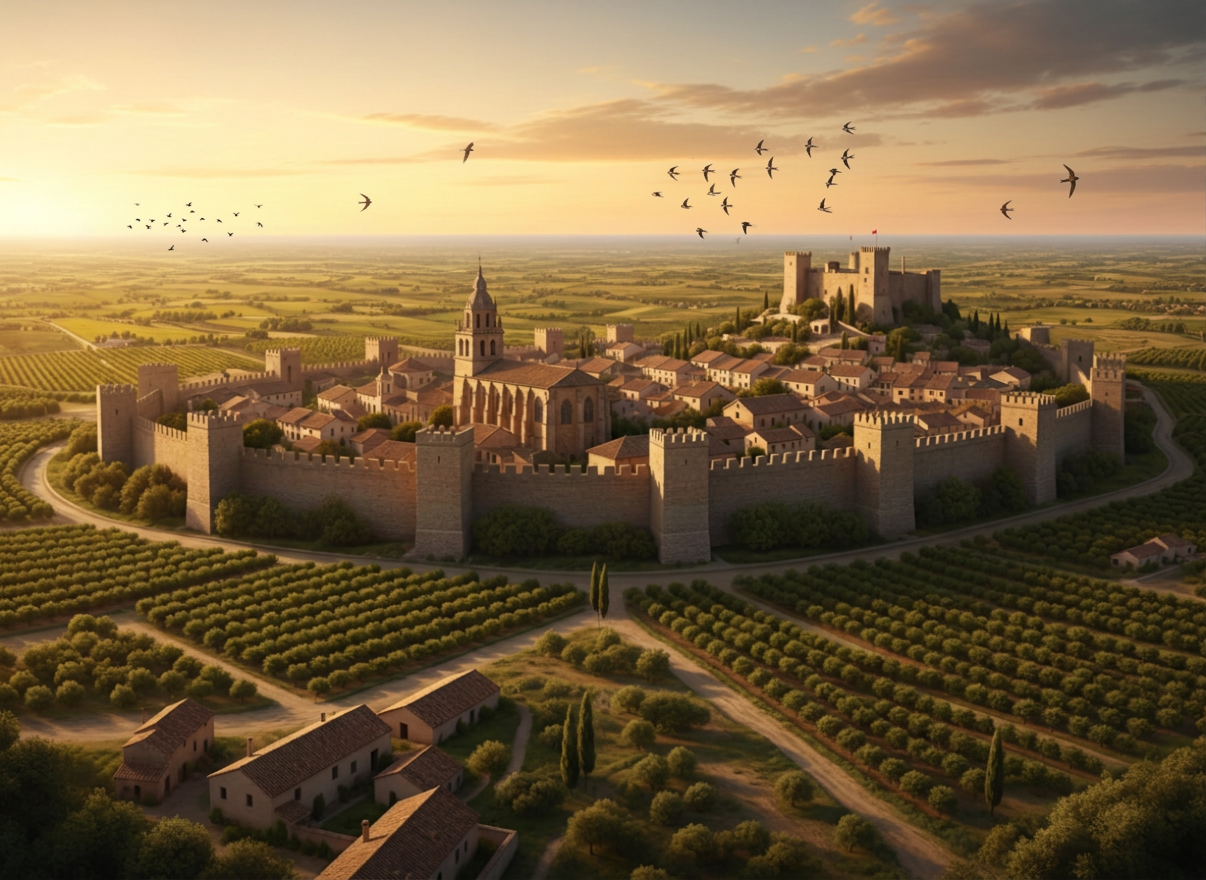
De este modo, nació Vila-Real como una villa real, bajo la protección del rey Jaime I. El término «Vila-Real» refleja este estatus, siendo un símbolo del apoyo monárquico a la nueva comunidad. La localización de la villa se eligió estratégicamente, aprovechando las tierras fértiles y los recursos hídricos.
Desarrollo y crecimiento
Economía y agricultura
A lo largo de los siglos XIV y XV, Vila-Real experimentó un notable crecimiento. La agricultura se convirtió en el motor de su economía, especially with the production of oranges and wines, que se transformaron en productos emblemáticos de la región. El intercambio comercial comenzó a establecerse con otras localidades, consolidando su importancia.
La vida cotidiana
La vida en Vila-Real en sus primeros años estaba marcada por la convivencia entre diferentes comunidades y la participación activa de sus habitantes en el desarrollo local. La construcción de infraestructuras, como caminos y mercados, facilitó el comercio y la comunicación.
Legado cultural
Patrimonio arquitectónico
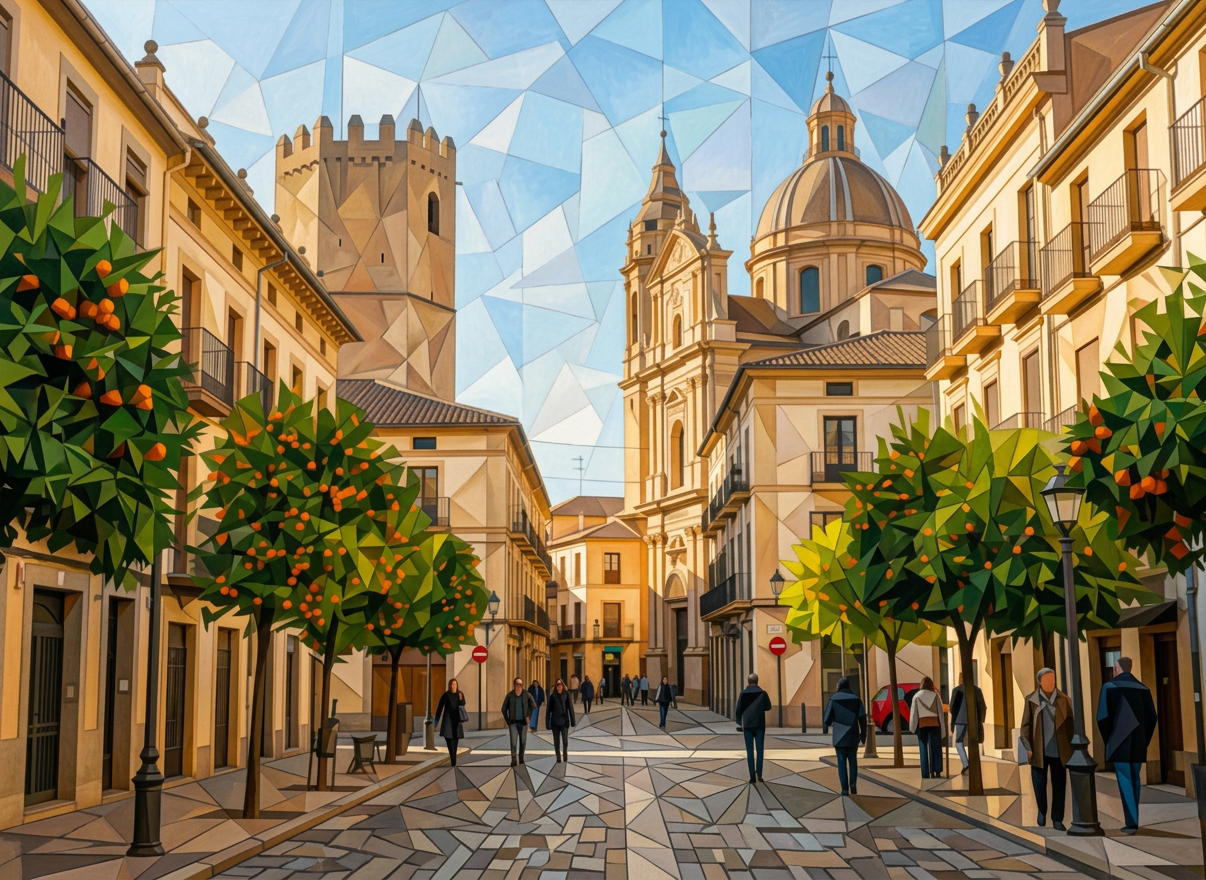
El patrimonio cultural de Vila-Real es vasto y diverso. A lo largo de los siglos, se han erigido edificios y monumentos que reflejan el estilo arquitectónico de cada época. Uno de los más destacados es la iglesia de San Jaime, que se ha convertido en un símbolo de la identidad local.
Celebraciones y tradiciones
Vila-Real ha sabido mantener vivas sus tradiciones a través de festividades que celebran su historia y cultura. Las fiestas locales, como las de San Pascual, son una oportunidad para que la comunidad se reúna y honre su pasado, recordando a aquellos que contribuyeron a la fundación y desarrollo de la villa. Durante estas celebraciones, los vecinos participan en actividades que van desde desfiles coloridos hasta representaciones teatrales que evocan leyendas locales y momentos históricos. El aroma de la gastronomía típica llena el aire, invitando a todos a disfrutar de platos tradicionales que han sido transmitidos de generación en generación. Además, la música y el baile se convierten en el corazón de la festividad, animando a los presentes a unirse en una danza colectiva que refuerza los lazos comunitarios y la identidad cultural. Sin duda, estas fiestas no solo son un recordatorio del pasado, sino también una manifestación vibrante de la vida y el espíritu de Vila-Real en el presente.
Conclusión
La historia de Vila-Real es un viaje a través del tiempo que nos permite comprender la evolución de una comunidad desde sus orígenes hasta la actualidad. Su fundación, marcada por la reconquista y la visión del rey Jaime I, sentó las bases para un futuro próspero que aún perdura en la rica identidad cultural de la villa. Hoy, Vila-Real se presenta no solo como un lugar de interés histórico, sino también como un símbolo de resiliencia y continuidad.
La historia de la fundación de Vila-Real
¡Bienvenidos, amigos y curiosos de la historia! Prepárense para un viaje a la fundación de Vila-Real, un lugar que no solo es famoso por su nombre, que suena a mezcla entre «villa» y «real», sino también por su increíble historia, llena de giros inesperados y unos cuantos personajes que seguro les sacarán una sonrisa.
Orígenes antiguos
Primeros habitantes
Imagínense un lugar hace mucho, mucho tiempo donde íberos y romanos andaban dejando su huella como si fueran los primeros influencers de la agricultura. Luego llegaron los árabes en el siglo VIII, que decidieron que era hora de ponerle un poco de glamour al lugar con su agricultura. ¡Bingo! Todo floreció y se pusieron a cultivar de todo: trigo, hortalizas y frutas. ¡Hasta parece que estaba en oferta el buen gusto!
La influencia árabe
Los árabes, en su eterna búsqueda de hacer todo más eficiente, trajeron su famoso sistema de regadío. Así que las tierras de Vila-Real se transformaron en un auténtico «Netflix» de la agricultura, donde se cultivaban de todo. Pero, como en cualquier buena historia, se avecinaba una tormenta: ¡llegó la Reconquista!
Fundación de Vila-Real
La conquista de Burriana
En 1266, el rey Jaime I de Aragón decidió que era hora de hacer una limpieza en la ciudad de Burriana. Con su espada y su armadura, se lanzó a conquistar. Pero en vez de simplemente sacar a los árabes y dejar todo vacío, pensó: “¡Vamos a construir algo espectacular aquí!” Así, comenzó su plan maestro para fundar Vila-Real.
Establecimiento de la villa
Así fue como Vila-Real nació como una villa real. “¡Soy Villa y soy Real!”, habría dicho en su primer día. El rey Jaime I, contento como un niño en una tienda de golosinas, decidió que este lugar sería su pequeño proyecto real. Escogió el sitio porque había buena tierra y agua. ¡Todo un acierto en el mundo de la construcción!
Desarrollo y crecimiento
Economía y agricultura
Los siglos XIV y XV marcaron la época dorada de Vila-Real, donde la agricultura, especialmente de naranjas y vinos, impulsó el comercio y la fama del lugar.
La vida cotidiana
La vida cotidiana en Vila-Real era como una fiesta continua. Las distintas comunidades convivían en armonía, como si fueran una gran familia que no se podía aguantar en las fiestas. Caminos y mercados comenzaron a aparecer por doquier, facilitando el comercio y creando oportunidades para que todos pudieran presumir de sus últimas compras.
Legado cultural
Patrimonio arquitectónico
Vila-Real tiene un patrimonio arquitectónico tan rico que podría competir en un concurso de belleza. A lo largo de los siglos, edificios y monumentos se han erigido como si fueran selfies humanos en la historia. La iglesia de San Jaime se lleva la palma como el símbolo de identidad local, una verdadera joya.
Celebraciones y tradiciones
Las tradiciones en Vila-Real son vastas. Las fiestas de San Pascual son como el gran festival del año donde la comunidad se une para recordar su pasado mientras celebra. ¡Es como un reencuentro donde todos cuentan quién es el tío que realmente fundó Vila-Real!
Conclusión
Así que ahí lo tienen, amigos, la historia de Vila-Real: un viaje intrigante y divertido que nos permite ver cómo esta comunidad creció desde sus humildes comienzos hasta convertirse en lo que es hoy. Con la Reconquista de fondo y el ingenio del rey Jaime I, Vila-Real ha triunfado. Al final del día, este rincón de España no solo es un lugar con historia, sino un símbolo de resistencia y alegría. ¡Así que, a brindar por Vila-Real!
The History of the Founding of Vila-Real
The founding of Vila-Real, a town located in the province of Castellón, is a tale woven through the history of Spain, particularly during the crucial period of the Reconquest. This narrative not only offers insight into the creation of the town but also into its evolution and growth over the centuries.
Ancient Origins
First Inhabitants
The fascinating region we now call Vila-Real has been a refuge of life since time immemorial. The Iberians and Romans, among the first brave souls to inhabit it, left an indelible mark on its rich history. With the arrival of the Arabs in the 8th century, agriculture flourished and urban development took on a new life, creating an astonishing prosperity that still resonates in the hearts of its inhabitants.
Arab Influence
The Arabs established an irrigation system that allowed for a boom in agricultural production. The lands of Vila-Real became a fertile area where various products such as wheat, vegetables, and fruits were cultivated. However, the situation changed drastically with the onset of the Reconquest.
Founding of Vila-Real
The Conquest of Burriana
In 1266, King James I of Aragon carried out the conquest of the city of Burriana. This event marked the beginning of a process that would culminate in the founding of Vila-Real. After freeing the territory from the Arabs, the king decided to establish new settlements to consolidate the Christian presence in the region.
Establishment of the Town
Thus, Vila-Real was born as a royal town, under the protection of King James I. The term “Vila-Real” reflects this status, serving as a symbol of monarchical support for the new community. The location of the town was chosen strategically, taking advantage of the fertile lands and water resources.
Development and Growth
Economy and Agriculture
Throughout the 14th and 15th centuries, Vila-Real experienced remarkable growth. Agriculture became the engine of its economy, especially with the production of citrus fruits and wines, which became emblematic products of the region. Trade began to establish itself with other localities, consolidating its importance.
Daily Life
Life in Vila-Real in its early years was marked by the coexistence of different communities and the active participation of its inhabitants in local development. The construction of infrastructure such as roads and markets facilitated trade and communication.
Cultural Legacy
Architectural Heritage
The cultural heritage of Vila-Real is vast and diverse. Over the centuries, buildings and monuments reflecting the architectural style of each era have been erected. One of the most prominent is the Church of San Jaime, which has become a symbol of local identity.
Celebrations and Traditions
Vila-Real has managed to keep its traditions alive through festivities that celebrate its history and culture. Local celebrations, such as those of San Pascual, provide an opportunity for the community to gather and honor its past, remembering those who contributed to the foundation and development of the town. During these celebrations, locals participate in activities ranging from colorful parades to theatrical performances evoking local legends and historical moments. The aroma of traditional cuisine fills the air, inviting everyone to enjoy dishes passed down from generation to generation. Moreover, music and dance become the heart of the festivity, encouraging attendees to join in a collective dance that reinforces community bonds and cultural identity. Undoubtedly, these festivals are not only a reminder of the past but also a vibrant manifestation of the life and spirit of Vila-Real in the present.
Conclusion
The history of Vila-Real is a journey through time that allows us to understand the evolution of a community from its origins to the present day. Its founding, marked by the Reconquest and the vision of King James I, laid the foundations for a prosperous future that still endures in the rich cultural identity of the town. Today, Vila-Real stands not only as a place of historical interest but also as a symbol of resilience and continuity.
The History of the Founding of Vila-Real
Welcome, friends and history enthusiasts! Get ready for a journey into the founding of Vila-Real, a place not only famous for its name, which sounds like a mix between «villa» and «royal,» but also for its incredible story, full of unexpected twists and a few characters that are sure to bring a smile to your face.
Ancient Origins
First Inhabitants
Imagine a place a long, long time ago where Iberians and Romans left their mark as if they were the first influencers of agriculture. Then came the Arabs in the 8th century, who decided it was time to add a little glamour to the place with their agriculture. Bingo! Everything flourished, and they started cultivating all kinds of things: wheat, vegetables, and fruits. It seems like good taste was on sale!
Arab Influence
The Arabs, in their eternal quest to make everything more efficient, brought their famous irrigation system. Thus, the lands of Vila-Real turned into a true «Netflix» of agriculture, where everything was grown. But, like in any good story, a storm was brewing: the Reconquest approached!
Founding of Vila-Real
The Conquest of Burriana
In 1266, King James I of Aragon decided it was time to clean house in the city of Burriana. With his sword and armor, he set out to conquer. But instead of just getting rid of the Arabs and leaving everything empty, he thought: “Let’s build something spectacular here!” And so, he began his master plan to found Vila-Real.
Establishment of the Town
That’s how Vila-Real was born as a royal town. “I’m a villa and I’m royal!” it might have declared on its first day. King James I, as happy as a child in a candy store, decided this place would be his little royal project. He chose the site for its good land and water. A total win in the construction world!
Development and Growth
Economy and Agriculture
The 14th and 15th centuries marked Vila-Real’s golden age, where agriculture, especially of oranges and wines, boosted trade and the town’s fame.
Daily Life
Daily life in Vila-Real was like a continuous party. Different communities lived in harmony, as if they were one big family that couldn’t wait to celebrate. Roads and markets began to sprout everywhere, facilitating trade and creating opportunities for everyone to show off their latest purchases.
Cultural Legacy
Architectural Heritage
Vila-Real has such a rich architectural heritage that it could compete in a beauty contest. Over the centuries, buildings and monuments have been erected as if they were human selfies in history. The Church of San Jaime takes the crown as the local identity symbol, a true gem.
Celebrations and Traditions
Traditions in Vila-Real are vast. The San Pascual festivals are like the year’s grand festival where the community comes together to remember its past while celebrating. It’s like a reunion where everyone tells who the uncle was that really founded Vila-Real!
Conclusion
So there you have it, friends, the story of Vila-Real: an intriguing and amusing journey that allows us to see how this community grew from its humble beginnings to what it is today. With the Reconquest in the background and the ingenuity of King James I, Vila-Real has thrived. At the end of the day, this corner of Spain is not just a place with history, but a symbol of resilience and joy. So, let’s raise a glass to Vila-Real!